Welcome to Della Galton’s website

Author: Della Galton

Unusual Alarm Clocks!

I was woken this morning by an Irish Wolfhound’s song, which if you’ve never heard one is quite something.   It starts off woo, woo, woo and it ends up in a full blown Howooooooool, Howoooooool, Howooool.  Not quite sure of the spelling there!  Here is Seamus, by his empty bowl, he obviously considered it way past his breakfast time! Which indeed it was in doggie land, as he didn’t know the clocks were going forward!
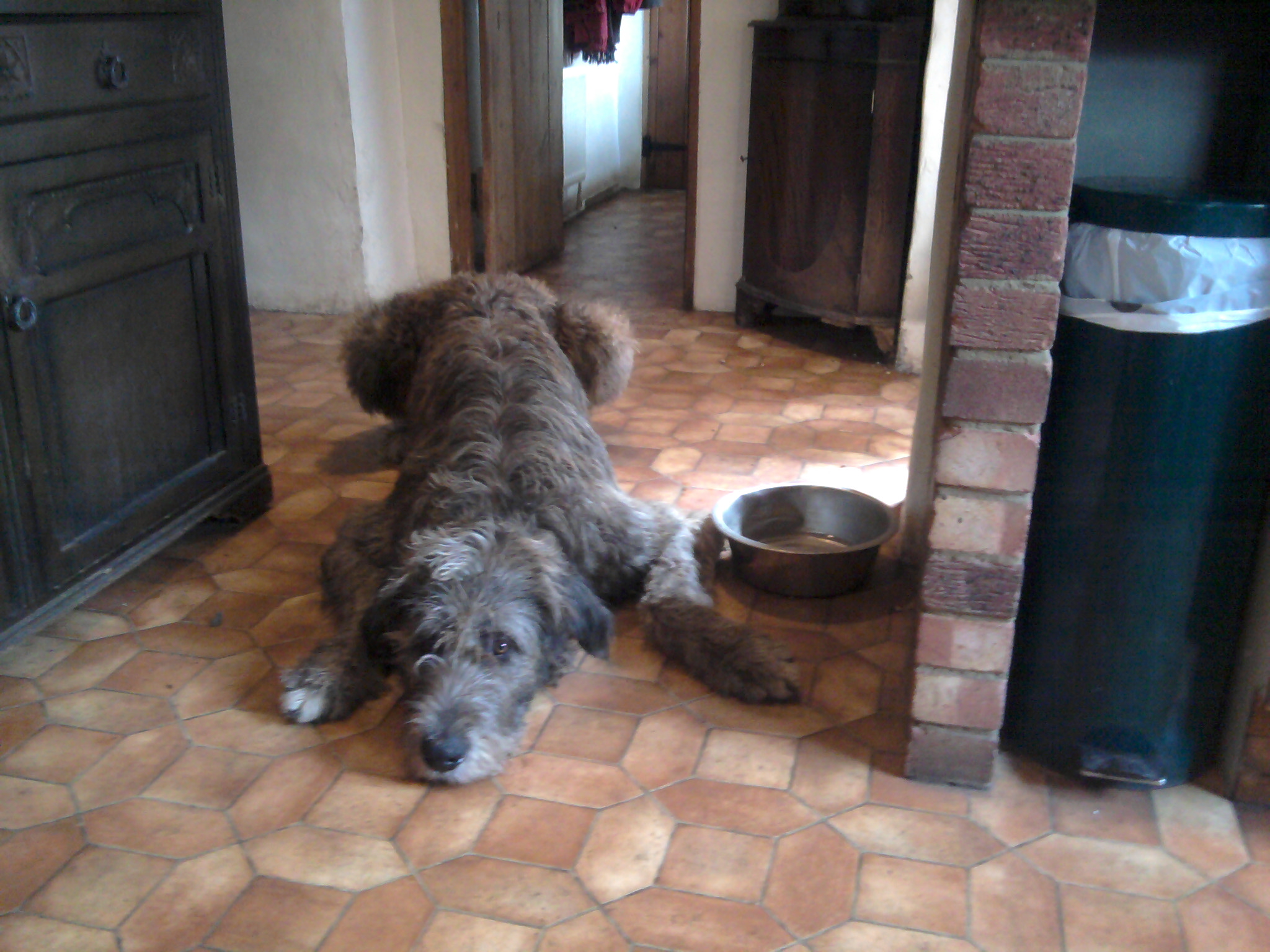
Surely it’s breakfast time by now!


And on the subject of Woo, woo, woo – I used to have another dog, who did this too. My sweet little Lindy from Greece. She didn’t do it at unearthly hours in the morning though – Greek dogs are far more laid backs than Irish dogs 😉
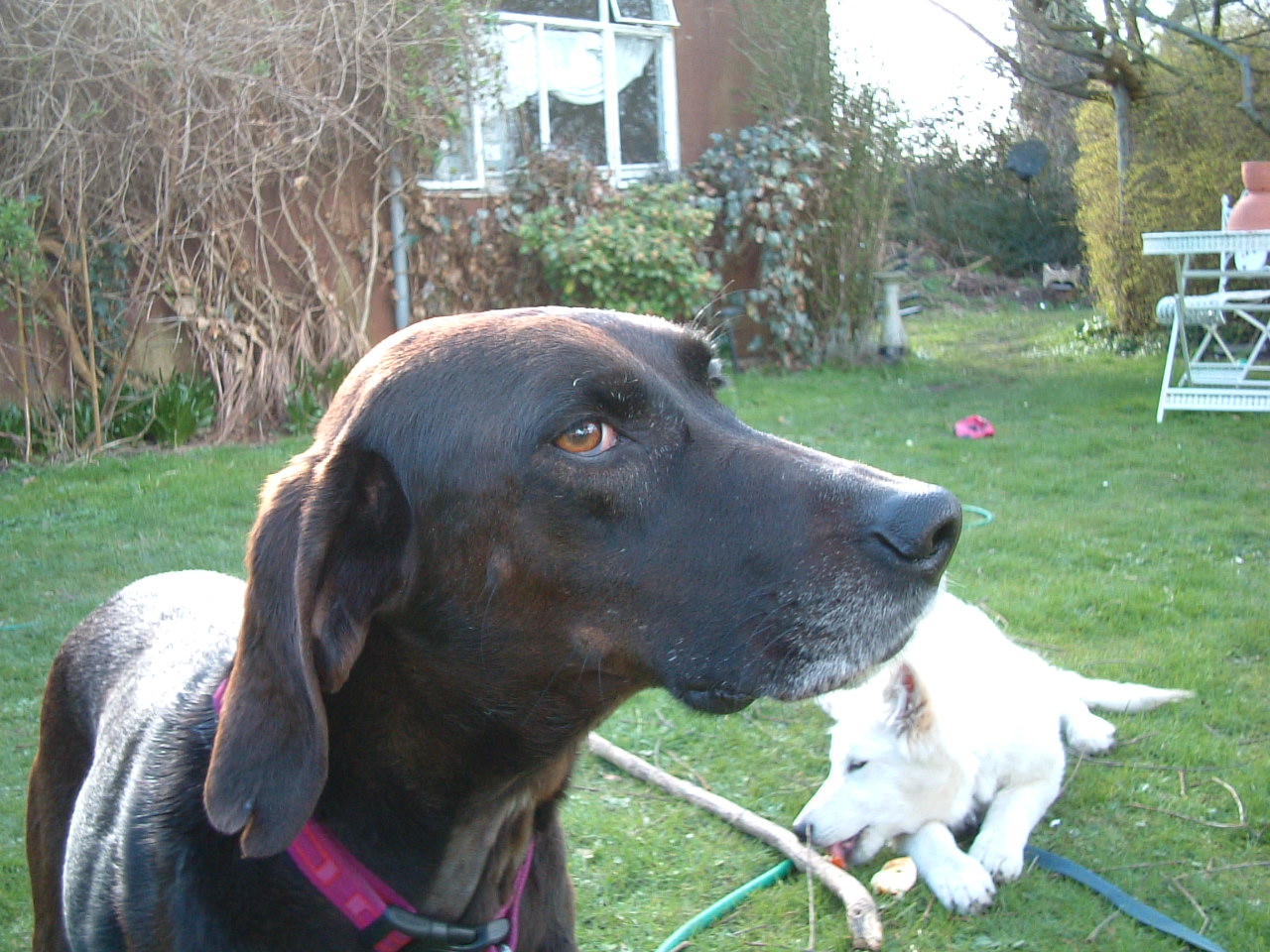


If Lindy wanted something she had other methods.

She would just give you the look! She had enough looks to fill a calendar!
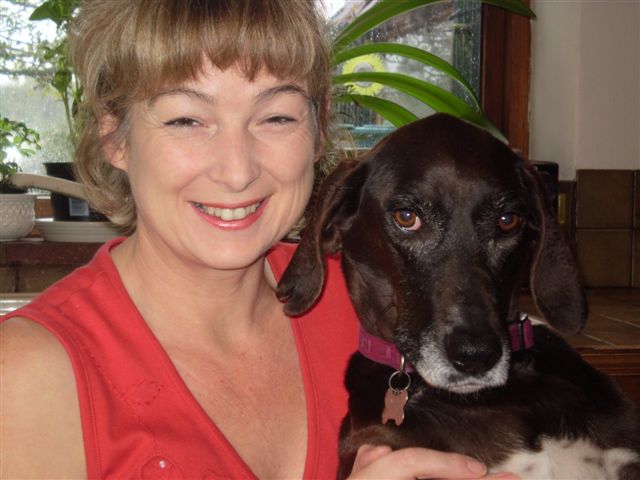


Oh no, a photo call again!


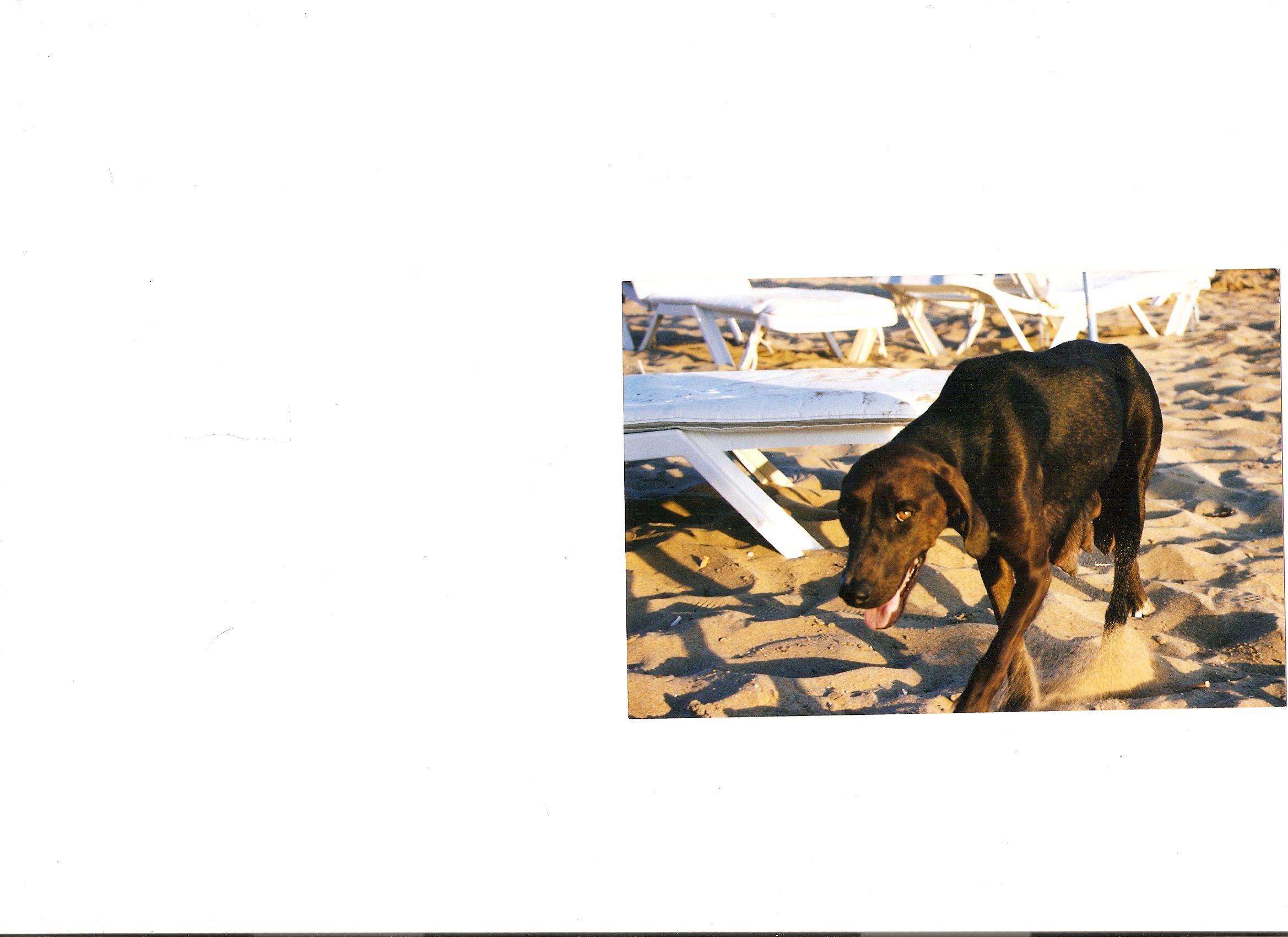
But it’s a far cry from how she looked when I first saw her on a beach in Rhodes!
Her story, The Dog with Nine Lives, is out in hardback. But yesterday, Lindy went electronic.  The Dog with Nine Lives is now available in Kindle.  I think she might have said, woo, hoo!
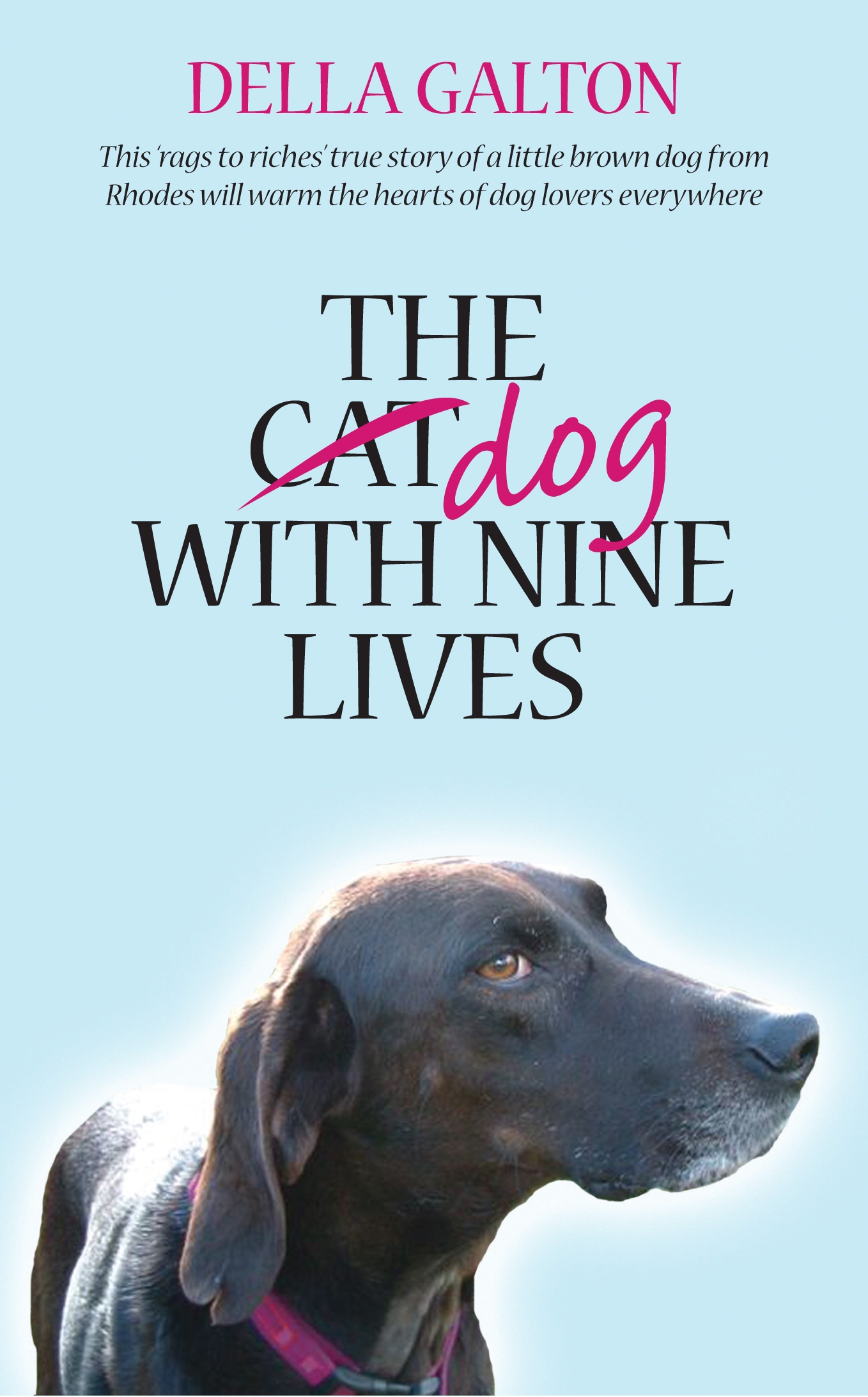
Now available in Kindle


The Dog with Nine Lives in kindle is available at a special introductory price of £1.99

http://www.amazon.co.uk/The-With-Nine-Lives-ebook/dp/B007NL10IU/ref=sr_1_2?ie=UTF8&qid=1332664317&sr=8-2

And profits from this book go to my favourite dog charities.

I think Lindy would have been quite pleased.


Fat Free Cakes and Gingerbread Houses

Gingerbread House

About time we had some more food on this blog – or to be more precise, cakes!

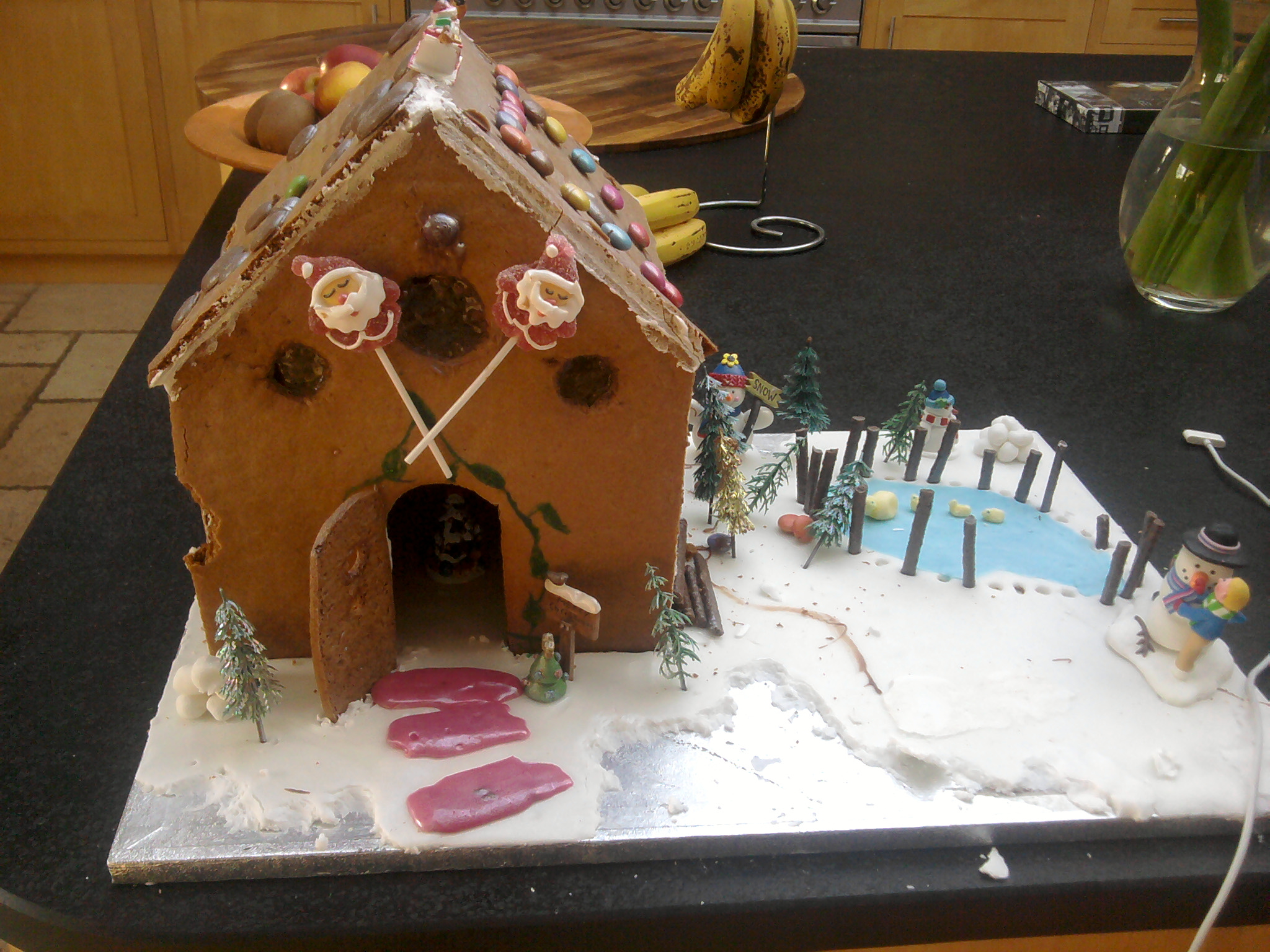
Here is a picture of a gingerbread house, made by my clever sister in law, Angie. Isn’t it absolutely fantastic.

It’s entirely edible, in case you were wondering. Those posts around the little blue icing pond are matchmakers.

There are smarties on the roof and lots of gingerbread and icing.

Heaps and heaps of calories and sugar.  Sigh.

I wish I could make a ‘cake’ like this. Bigger sigh.

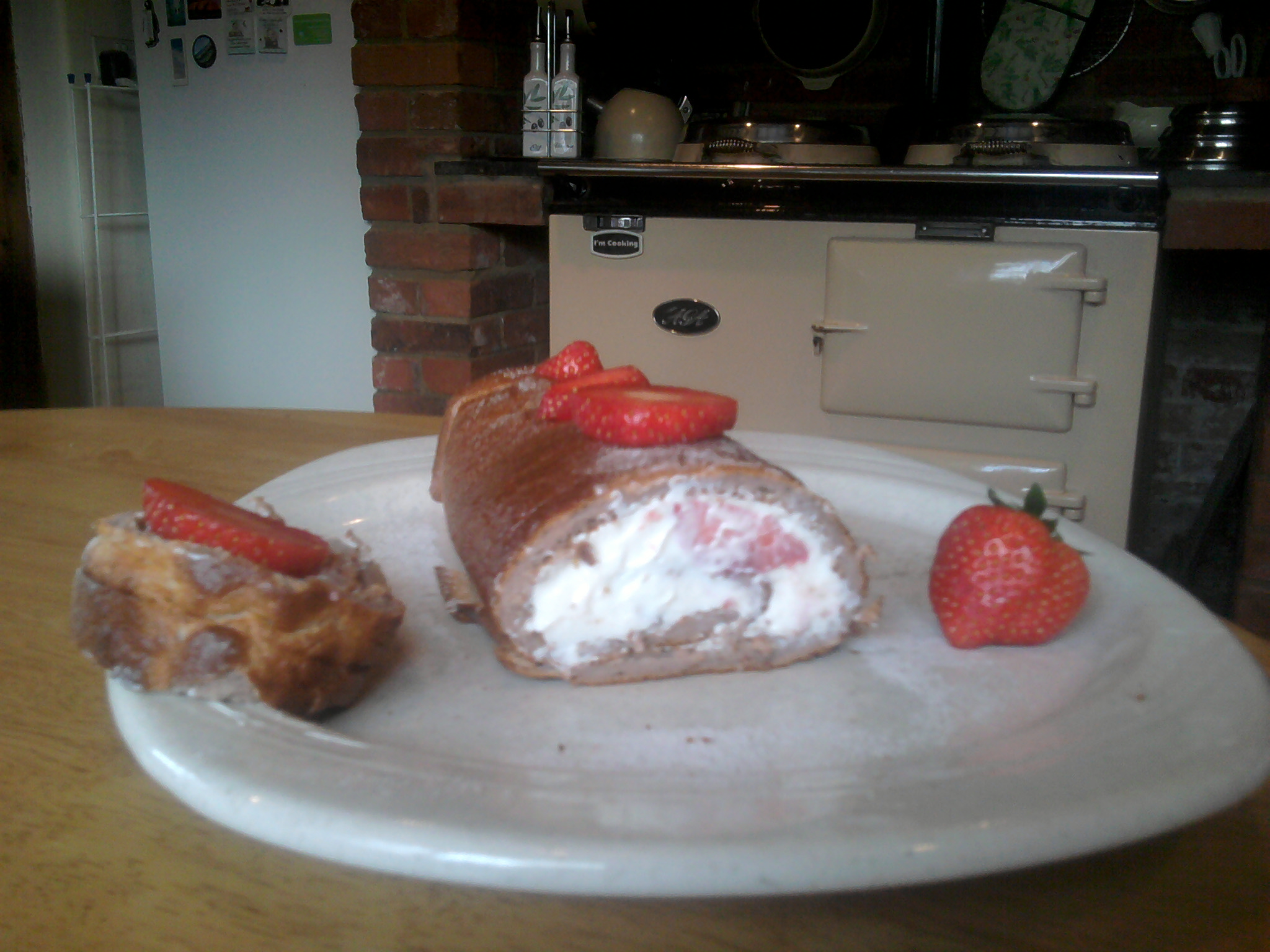
Here is a picture of a cake I made just now.

Chocolate Swiss Roll


Not quite as impressive is it!

Which would you prefer?

Before you answer that, scroll down.

Slightly different angle


Front view


What if I told you that the gingerbread house was a calorie overload in every tiny bite, a slimmer’s nightmare (You knew that anyway, didn’t you!)

Whereas this swiss roll is totally fat free. Sugar free too. In fact, you can eat the whole thing in one sitting without worrying about adding a single centimetre to your waistline.


It tastes quite nice too. In fact the first one I made disappeared before I could take any photos of it. I – er – ate it!


Food for thought!


Why its impotent to have the rite grandma and prefect smelling – Guest Blog from Peter Jones

My good Friend and author Peter Jones explains how a misplaced hyphen can dash your hopes of ever being published.

My first real literary ‘rejection’ came at the hands of an agent who we’ll called Kate Slash. On the day that Ms Slash received my manuscript she’d clearly discovered that her husband was indeed the cheating scumbag she’d always suspected he was. Moments later she burnt both slices of toast, the cat threw up all over her white carpet, and she broke a heel on her favourite shoes. I don’t know this for sure of course, but I’m guessing it must be the case because when the first three chapters of The Good Guys Guide to Getting Girls arrived on her desk she wasted no time in telling me how much she hated it. And my god, how she hated it.

I can’t recall off the top of my head all the things she said (although me being me, I assembled them into a list and diligently worked through each point over the following months) but I do remember her final scathing comment:

“Further more the manuscript is littered with typos which is very distracting, and shows a somewhat careless and slapdash approach to your writing.” Or words to that effect.

It was this remark that stung the most. Whilst I was prepared to take on board everything else she’d said, the one thing I was pretty sure I had nailed down was my spelling, and grammar. Throughout my entire professional life nothing I’d written had ever left my computer without being run through the internal spell check, and then read through by myself and my colleagues. Even the pages Kate was busy using to stoke the fire under her cauldron had been scrutinised by several sets of eyes.

“There’s nothing wrong with those chapters,” said my mate Pat, “and I should know!” Pat’s an English teacher somewhere in the south-east of England. And given what happened next, maybe that’s as much as I should tell you about him. Or her. I’m not saying.

“Well let’s find out!” I said. “Jules -” (that’s my long suffering assistant) “find me a proof reader!”

Which was how I came to meet Alison the Proof Fairy. I duly sent Alison the same first three chapters and expected to have them sent back with a covering email telling me that she couldn’t find anything to correct.

Boy howdy – how wrong I was.

I’ve just had a quick look at the document Alison returned to me – for old times sake – and believe me when I say I can feel my cheeks glowing again, just as they did almost two years ago. I’d include the file here for you to look at, if I wasn’t too ashamed to do so.

Needless to say I learnt several very important lessons:

Firstly, regardless of how you rate your attention to detail, unless you proof for a living it’s extremely unlikely that you’ll spot all the errors in your own writing. You’re just too darn close to it. But more surprising, unless your friends are professional readers (and may I respectfully point out that being a teacher doesn’t seem to be close enough), neither will they!

Secondly, agents don’t actually seem to accept anything. They reject. As would you if you had a mountain of manuscripts to get through. You’d work through those chapters looking for reasons to throw them out, until you finally unearthed the one document that hadn’t, in any way, made you want to toss it across the room.

Finally, two years on, having published How To Do Everything and Be Happy, with a further two titles waiting in the wings, I realise more than ever the importance of perfect spelling and grammar. I simply can’t take the risk that one of my readers might come across a typo. Particularly if that reader turned out to be Kate Slash. Heaven knows what she might do.


Peter Jones is the author of the best selling self-help book How To Do Everything and Be Happy.
His novel the Good Guy’s Guide to Getting Girls continues to be rejected by agents. Though not because of the spelling.
Find out more about Peter and his books at peterjonesauthor.com

A Brilliant Weekend at Fishguard

Last weekend I taught for the first time at Fishguard in Pembrokeshire at one of Anne and Gerry Hobbs courses.  The hotel was beautiful, Victorian elegance, fab food, and a wonderful coastal setting.

The course was called Write a Story in a Weekend. I had eleven students, and they were wonderful. In the six hourly sessions every one of them wrote the first draft of a short story. I think that some of them will be published. They were blinking good.

I wrote one too!

To my delight I was invited back to teach the same course next year, it’s always in February, the half term weekend – a great mini break if you need a rest after having the children off school 😉

Here’s the link in case you are interested.

http://www.writersholiday.net/fishguard.htm


How To Get An Original Idea

One of the things short story competition judges bemoan the most is that they hardly ever see an original story, or a really original idea.   Yet being original is one of the fastest ways to get into the shortlist.  Providing you can also write well, of course!

Is there actually such a thing as an original idea?

Maybe not.  But there are a lot of things you can do to make your story stand out from the crowd. Especially if the competition has a theme.  Here are my tips for finding an idea that’s different:

For the purpose of this exercise we’ll assume the theme of our imaginary competition is Loss.

So the first thing you should do is to write down all the ideas that spring to mind when you think of the theme loss.  These are mine. Some of them might be yours too.

Loss of job

Loss of spouse

Loss of child

Loss of house

Loss of pet

Loss of life

Loss of bag

There is a good chance that everyone else will think of these ideas too, so unless you have a really original slant, move on and list some more.

Loss of limb, finger, toe, eye

Loss of liberty

Loss of memory

Maybe we’re getting a few ideas that are a bit more lateral.  But let’s go on.

Loss of an identity (Alzheimer’s or another reason)

Loss of a parrot – or another unusual pet, think snake or hippo, or how about something mystical, a unicorn

Loss of a generation

Loss of a culture

Loss of a precious artefact

Hopefully there won’t be many stories with the above losses and I’m sure you can think of lots more. But let’s make it a bit more unusual.

What if you used a different structure as well? What if you used a diary structure, for example. I read a brilliant story recently (in a competition I was judging) where the author had used a diary structure, but, just as in the Time Traveller’s Wife the dates weren’t chronological.

Or you could tell your story entirely through taste, or smell, or perhaps dual viewpoint.

Or you could link the scenes with the same setting, for example the sea.

The diary story won the competition I was judging by the way!

Food for thought!

What should be on the first page of your novel?

The first page of your novel has to be excellent. If it is not first class, then it’s possible the agent or publisher you have targeted will not read any further.  Time is money, and they will only be interested in your novel if they can see its potential very quickly.  So it goes without saying that the writing must be as good as you can make it.

OK, so the writing is good, but what else should your first page contain?

Having carried out some research on this subject (I analysed a selection of best selling novels) I’ve collated a list of elements that a successful first page is likely to contain. So here they are:

A hook

There must be enough of a hook to make the reader want to turn the page, and, indeed, get past the first paragraph.  This does not have to be dramatic.  That will depend on the type of book you’re writing, but you should try to engage the reader immediately.

At least one character

This won’t necessarily be the main character, but it usually is the main character or someone closely connected to them.  If it isn’t, you should have a good reason.

Place

Whilst the setting doesn’t have to be spelt out, and this is often not possible, there should probably be some indication.

Time

Is your novel contemporary or historical?  It’s a good idea to indicate this fairly early on.

Genre

We should also be able to tell the genre of the novel very quickly.  Not necessarily from the first page, but do begin in the style in which you are likely to continue.   If the novel is humorous, you might not necessarily have an hilarious event on the first page, but the genre should be reflected in the style of writing.

Dialogue

Not all first pages contain dialogue. For example, first person novels often don’t need it, but it isn’t a bad idea to introduce dialogue quickly.  The sooner the reader hears your characters speak, the sooner they will start to care about them.  Or not – as the case may be.

Descriptions of characters

Again, these do not necessarily have to be on the first page, but if you are introducing a character without giving the reader any hint of what they look like, then the reader may well formulate their own view.  If you later contradict this, i.e. the reader assumes your character has brown hair and they actually have flaming red hair there is a danger of losing reader identification.

Summary

And finally, you will need to do these things without it appearing in the least contrived. This is no mean feat, I’m sure you’ll agree.

The good news is that it’s probably not worth worrying too much about your first page until you have completed the novel.  In my experience, the first page I originally write for a novel is rarely the first page I end up with.  Therefore it makes no sense to worry too much about it until you have completed a draft. It is pointless to edit and perfect something that you might later discard.

Incidentally, if you’re interested, there’s more on this subject in my book, Moving On – From Short Story to Novel, published by Accent Press. Price £9.99


Dunford Novelists

Just got back from Dunford Novelists’ conference which is held in Bournemouth in January. This is definitely my most favourite conference in the world. It’s a working one for novelists. From beginner to best selling authors we’re all in the same boat.

How it works

You take along the first chapter of your novel and you get it critiqued on three levels. You get written critiques from other writers in the conference who opt to choose your chapter. Each writer chooses about six first chapters to critique over the course of the weekend.  You get in depth verbal critiques from the five other people in your group, you read the entire chapter to them.

Plus – and this is the really scary bit – you read only the first page of your novel to the entire assembly of novelists – the idea being that’s all they would read if they went into W H Smith and picked it up.  Then you keep very quiet while they tell you exactly what works and what doesn’t.

Trial by fire, but it’s fabulous. I want to go again right now. And it really inspires you to write the rest of the novel.

Incidentally I’ve done some research on the first page of novels, which I shall post here later. It’s fascinating stuff.


More on rejections and how to kickstart your creativity!

I’ve loved reading everyone’s thoughts about rejections. I read an interesting feature recently, wish I could remember where, about how rejections can’t really exist.  It wasn’t related to writing, it was related to trying new things, but it could easily be applied to writing.

It was along the following lines. If you try to do something and don’t succeed first time, you haven’t actually lost anything.  How can you have lost what you didn’t have in the first place?

So, for example, with writing, if you try to break into a new market (or an existing one for you) and they say no, then you haven’t lost anything because you weren’t in there before you asked. So what’s the problem? How can it be a rejection?

Simples! As they say on the advert!

The same goes for sending out query letters for features or thee chapters and a synopsis to an agent. We have absolutely nothing to lose!

But we can all get jaded and feel depressed when editors say no.  And then our creativity suffers because we think our work must be rubbish. Which brings me nicely on to my course next Saturday 28 January which is called, Kickstart Your Creativity.

This is for writers who are feeling jaded – who isn’t in January! You can bring along a half finished story and hopefully I’ll be able to inspire you enough to get it started and out to an editor – or you can start a story from scratch. Either way, I’ll inspire you to write something new.  And hopefully something saleable.  See my website page under courses for full details.

And all for £35.00!

Which you can hopefully earn back when you sell the story to a magazine!

Guest Post from Simon Whaley, author of The Positively Productive Writer

The Positively Productive Writer

I’m a failure every day. Sometimes, I’m a failure several times in the same day! I’m forever being rejected. But, I make a point of telling myself that it isn’t me personally being rejected – just that idea at that particular time.

And because of that, I keep going. I keep writing and sending out work and making pitches to editors. And because I keep at it, I get acceptances too.

I once sent an article to a magazine. It came back rejected. A few months later, I heard the magazine had a new editor, so I resubmitted it. That editor rejected it too. Then some time later, I discovered the editor had changed again, so I resubmitted it to the same magazine. That particular editor accepted it. I hadn’t changed anything in my text. The words that third editor saw were exactly the same as the words the first two editors read. But the third one decided he liked it.

I sent a short story to a UK fiction magazine, and it was rejected. I also sent it to an Australian magazine, who decided to accept it. When they published it, I noticed that they’d made two very small changes. So, I made those changes to my original text and resubmitted it to the UK magazine. The UK magazine bought it.

In both those examples, had I given up after the first rejection, I would not have seen the publication of my words. (Nor would I have received the payments either!)

Once you understand that rejection is merely a moment in time, it makes it easier to move on. We all get rejected. Even professional writers are rejected. (Rumour has it, even the great Della Galton gets the odd rejection or two.)

And being the positive kind of guy that I am, I actually think rejection is a Good Thing. Because only writers who have the gumption to send their writing into that big, wide world out there can ever be rejected. You can only really appreciate what an acceptance means, when you’ve experienced rejection. So, go for it! Stay positive. Stay productive. And one day your efforts will be rewarded!

Good luck!

Simon

www.simonwhaley.co.uk

Twitter: @simonwhaley

Blog: Simon Says! http://simonwhaleytutor.blogspot.com/

The Positively Productive Writer, by Simon Whaley, shows writers how to reject rejection and enjoy positive steps to publication.

ISBN: 9781846948510

UK: £11.99

US: $19.99

Available now on Amazon.

And the winner of the 250 word Flash Fiction Competition is…..

The New Year Resolution That Went Wrong by Karla Brecon

You don’t look too clever, Trace?

Don’t feel it, Marge.

What happened to you?

Last year’s New Year’s Resolution, that’s what!

Which was?

Just say no.  And I did.  To everything.

Everything?

Yep!

What, cigs?

Yeah.

Drinks?

Yeah.

Food?

Yeah.  Fetched me up in here, it did, in the end.

Dehydrated I expect?

Yep.

And anorexic?

Yep.

Stressed?

YesyesYES. OK!

Sorry, I’m sure!

‘S’all right…  Well, now we know why I’m here. How about you?

Same thing.  New Year’s Resolution that went wrong.

What was yours then?

To prove you don’t need an aeroplane to fly.

Busted much?

Nearly everything.  I can get about though, with the crutches like.  Ooh,  can I smell lunch?

Reckon so.

You having any, Trace?

Well I’d like to but …

Oh, yeah … you can’t, can you?

No.  How ‘bout you, Marge?  You having some?

No.  I’ve arranged for the window-cleaner to let me into his crate while all the nurses are busy, with lunch.

Going to have another go, then?

Got to, ain’t I?  New Years Resolution, weren’t it?

Long way down, from the 29th floor

You need a bit of height, don’t you, for flying?

Suppose so.  ‘Ere, we both done well ain’t we, Marge, with our resolutions?

I’ll say.  You going to carry on sticking to yours, the whole year?

Yeah – if it kills me

Same here.  Well, must … er …

Fly, Marge?

You got it, Trace.  Fly.  Ta ta, then.  Nice seeing you

Ta ta Marge.  You too!


Well done, Karla, for brightening up a very dull day in Dorset!  You made me laugh out loud. This was so clever and funny. I loved it.

Commiserations to the rest of the shortlist.

Veronica – I loved your twist.

Ginny – I loved the voice of the narrator.

Hilary – you made me laugh.

Alyson, your story was wonderfully original too.

Carrie, you also made me laugh with your clever twist.

Many thanks for entering.

If you haven’t won you can buy a signed copy of Moving On – Short Story to Novel for a discounted price of £7.99 plus post and package by emailing me on dellagalton@yahoo.co.uk before the end of January.

Don’t forget.  If you are interested in exploring Flash Fiction in more detail I am running a Flash Fiction course in Bournemouth on Saturday 28 April.  The course runs from 10.00 a.m. till 4.00 p.m. and costs £35.00

If you have entered this competition you are entitled to a £5.00 discount on the cost – just mention this when you email me to book.


Tell your friends!

© Della Galton All rights reserved.
Powered by Cloudbase Media