
Welcome to Della Galton’s website

Creating Characters – How well do you know your imaginary people?

Sometimes a character comes into my head fully formed. Sometimes they are shadowy. Sometimes they are shy like real people and I have to get to know them slowly.  Interviewing them is good.

These 21 questions are one of my favourite ways of interviewing them. I may not know the answers, but the character often will. Does that sound mad? Probably, but I’ve never claimed to be completely sane.  I’ve used these questions, or variations of them, with dozens of students.  So I thought I’d reproduce them here. Hope it’s helpful.

  1. Name, age & sex.
  2.  Brief physical appearance. List 3 things.
  3.  Job.
  4. What is your character’s current problem?
  5. Personality type – extrovert, introvert bossy etc.
  6. Where does your character live? Flat, house, rural, city etc.
  7. What, if anything, would make your character laugh or cry?
  8. What is your character’s soft spot/weakness?
  9. What is your character really good at?
  10. What is your character afraid of?
  11. What would make your character furious?
  12. If your character had one wish, what would it be?
  13. How does your character view money?
  14. Does your character have any prejudices? If so, what?
  15. What are your character’s main qualities?
  16. What are your character’s main faults?
  17. Does your character get on with their parents? Siblings? Friends? Neighbours?
  18. What is your character’s biggest secret?
  19. What is the most defining experience your character has ever had?
  20. Who is the last person your character argued with and why?
  21. Summarise your character in a sentence. Pick 3 significant things. E.g. Dora is 82, wears mismatching clothes on purpose and likes to shock her rather pompous son.

One of my favourite things about this particular character sheet is that it doubles up as a plot creation tool. For example Q4 is the basis of a short story or longer piece of fiction.

Q18 is quite good too, when it comes to plotting. Q19 is one of my favourites when it comes  to novels and getting the psychology right.

If you can do Q21 you will probably know your character pretty well.

Happy Writing.

***

My next course, How to Write and Sell Short Stories is at a new venue. Shaftesbury, Dorset. The course will be small – a maximum of 10. (The venue is small.)  It will run on Saturday 12 November between 10.00 and 4.00 and costs £45.  This course is suitable for beginners as well as experienced writers and I hope students will go away with the beginning of a short story, the ending of a short story, (hopefully the same one!) and a good idea of how to develop the middle. Please email me via this website (or leave a comment) if you would like to book a place.

If you would like to know more about writing short stories, please check out my book, The Short Story Writer’s Toolshed. £2.49 for Kindle. £4.99 in paperback.
Happy New Year

We all begin the year with various writing resolutions, but then real life gets in the way.  So why not have one resolution a month?

January

Don’t think about it, just write.  Set a timer for ten minutes and begin writing on the theme of new beginnings.

February

Write a short piece, which includes the words, Summer, Knife and Jealousy.

March

Describe a winter scene in 500 words.  Be poetic.

April

Write a short piece on the theme of water.

 May

Imagine that you have just confronted your deepest fear.  Write down how you feel.

June

Write about an intruder.

July

Invent a character who has a problem that is major to him, but minor to other people.

August

Write a letter to your local newspaper about something that you feel strongly about.

September

Look out the first story you ever wrote and see what you can do to improve it.

October

Describe the view from your window.

 November

Describe in detail a character you dislike.

December

Write a Christmas carol or poem.

Happy writing, and thank you for reading my blog 🙂


Writing New Year Resolutions

Here are some New Year resolutions you might like to try – in case you didn’t make any of your own!

Writing ones, that is…

January

Write the first page of a feature or short story, or perhaps even the opening page of that novel you’ve been planning to write.  By the end of the page you might be hooked enough to carry on.

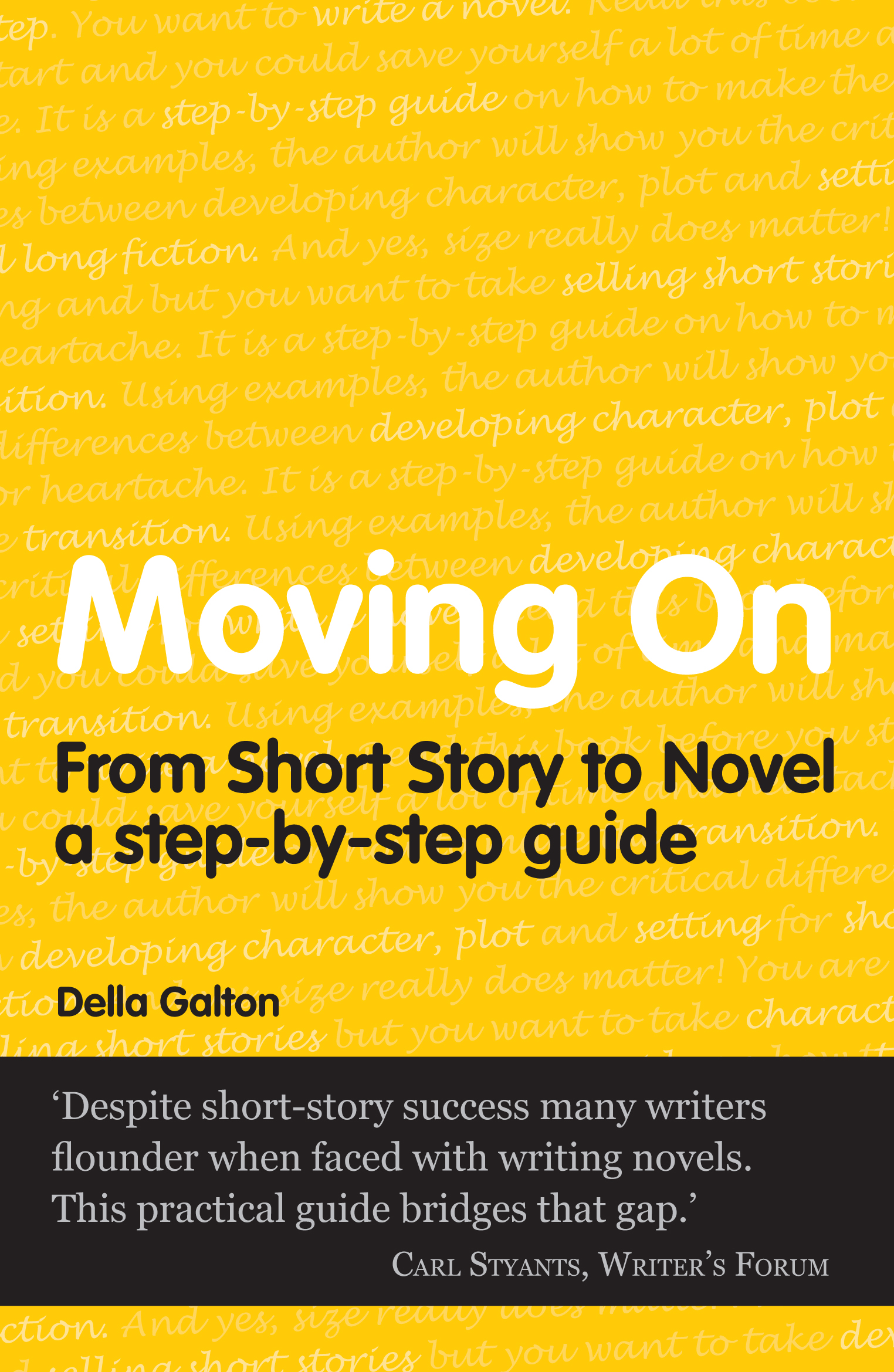
Or you could always treat yourself to my new book 😉 Order it from me and I’ll sign it for you!

Buy a signed copy from me for £8.99 including post and package!


February

Enter at least one short story competition.

March

Interview one of your friends or family and write up the piece as practice for feature writing..

April

Join a writing class or book yourself on a course.

May

Give yourself twenty minutes to write a selection of opening paragraphs.  Then pick the best and make it into a 1000 word short story.

 June

Start a manuscript group with 3 or 4 friends. It’s the best way to get motivated.

July

While on holiday, take a notebook and make notes.  If you’re abroad, write down specific details, such as what food you ate, otherwise just note down landscapes and places of interest.  You never know when they will come in useful for either fact or fiction.

August

Get out an old piece of work you weren’t happy with and try re-writing it from another character’s viewpoint.

September

Buy a notebook and keep it for writing titles in.  Carry it around with you for when inspiration strikes.

October

Read out a piece of work you’ve been having trouble with to a trusted writer friend to see if they can help. This can be a reciprocal exercise.

November

Enter a poetry competition.

December

Write some Christmas verse and personalise your Christmas cards.

Tell your friends!

© Della Galton All rights reserved.
Powered by Cloudbase Media